
Explore Our SDGs
CONTENTS
Sdg 1 - no poverty
End poverty in all its forms everywhere
SDG 1 consists of seven targets to eradicate poverty of all degrees in all forms. The targets aim to end generational poverty, provide equal access to any basic human right, provide protection from climate disasters, implement policies to eradicate poverty and overall develop this underserved community to achieve their justice.
RESEARCH
Policy-making addressing poverty
The University’s research and knowledge transfer activity contributes to the Goal of No Poverty.
2023 Lancang–Mekong Innovation and Entrepreneurship Education Forum
Lac Hong University participated in the 2023 Lancang–Mekong Innovation and Entrepreneurship Education Forum and was elected to the Permanent Council of the Lancang-Mekong Countries Entrepreneurship Education Association (LMCEEA). Through this regional cooperation mechanism, LHU contributes to initiatives promoting social entrepreneurship, poverty reduction, and sustainable development across the Lancang–Mekong region.
Assessment of the Quality of Agricultural Economic Growth in Vietnam
Lac Hong University researchers contributed the study “Assessment of the Quality of Agricultural Economic Growth in Vietnam”, examining Vietnam’s agricultural growth and its contribution to poverty reduction, food security, and social welfare. The findings provide evidence and practical implications to support stakeholders in socio-economic policy decision-making.
EDUCATIONAL EQUITY
Bottom financial quintile student support
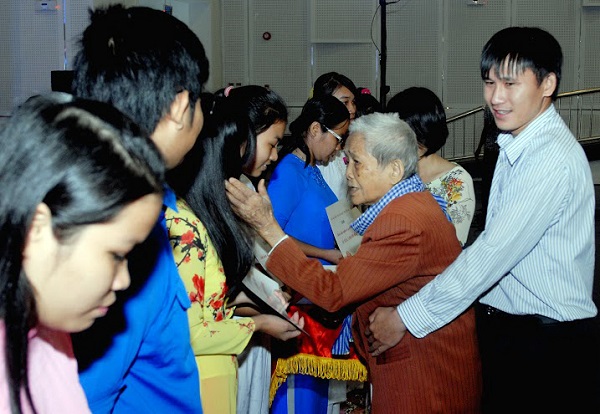
Lac Hong University is committed to widening access and improving outcomes for students from the bottom 15% of the national household income distribution, a more tightly defined group than the bottom financial quintile. Through targeted outreach, admission preparation, measurable graduation targets, scholarships, financial assistance, and academic and wellbeing support, LHU helps disadvantaged students access, remain in, and successfully complete higher education.
Low-income student support
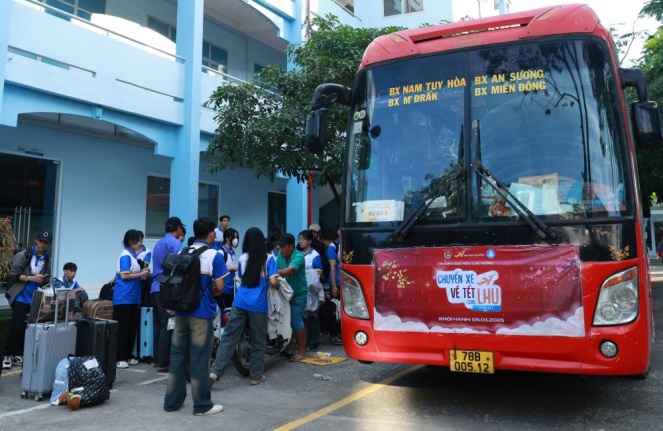
Lac Hong University provides practical and financial support to students from low-income families to reduce barriers that may affect their ability to continue their studies. Support includes accommodation assistance, affordable food, study-cost reduction, part-time work opportunities, free transportation, financial guidance, and emergency assistance for students facing unexpected hardship.
Low or lower-middle income countries student support
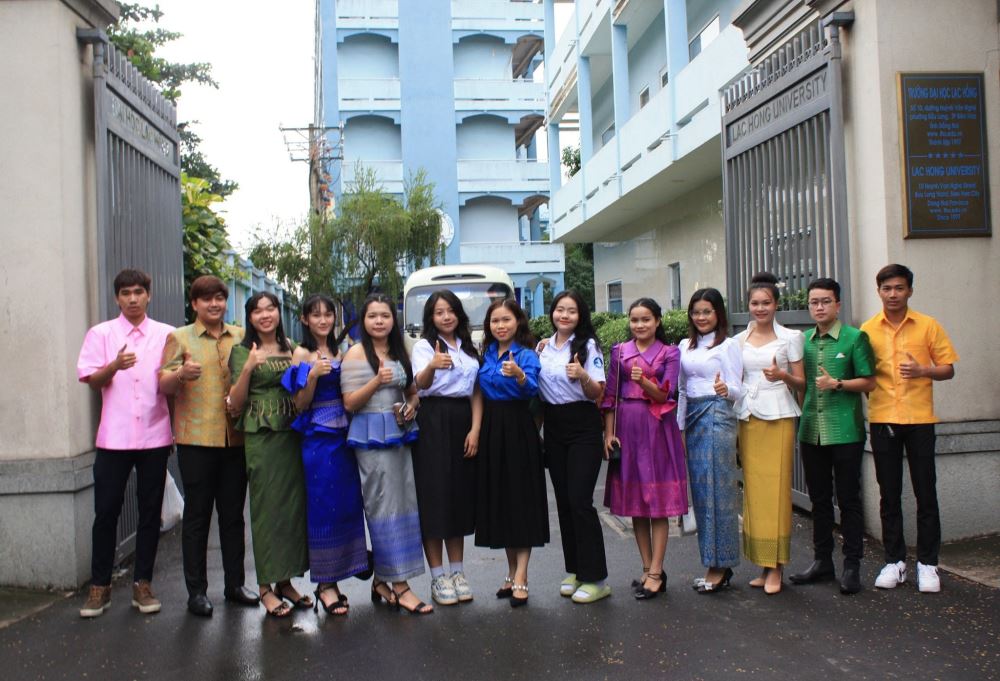
Lac Hong University provides dedicated educational and financial support for students from low and lower-middle income countries, including students from Laos and Cambodia. Support includes Vietnamese-language scholarships, academic scholarships, affordable study programmes, free dormitory accommodation for eligible students, and pathways into undergraduate, master's, and doctoral programmes.
ENGAGEMENT
Start-up assistance
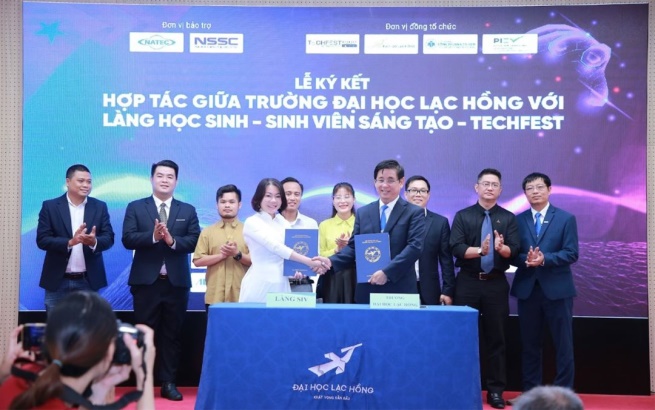
Lac Hong University supports local start-ups through a structured ecosystem combining idea consultation, training, facilities, intellectual property transfer, funding connections, and investor access. Its initiatives have supported over 100 start-up projects, commercialized nearly 10 IPs, strengthened strategic partnerships, and earned national recognition for advancing sustainable entrepreneurship and community innovation impact.
Programmes for services access
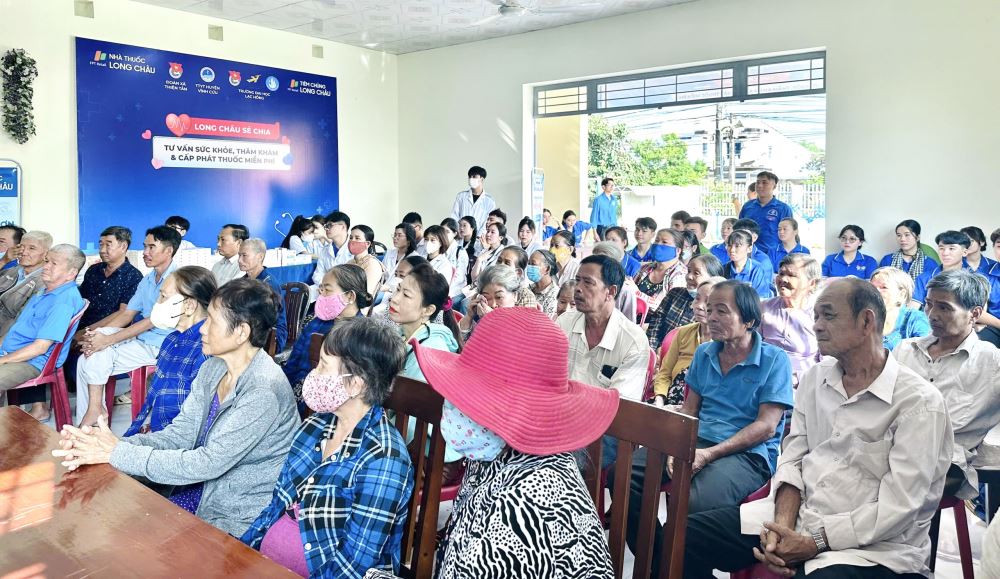
Lac Hong University improves access to basic services through community programmes and training in health and living standards. Initiatives include free health check-ups, nutrition education, clean water support, housing assistance, computer donations, and emergency relief. These activities particularly benefit vulnerable communities, strengthening health, safety, digital inclusion, and overall social well-being.
Multilevel participation in policy implementation to end poverty
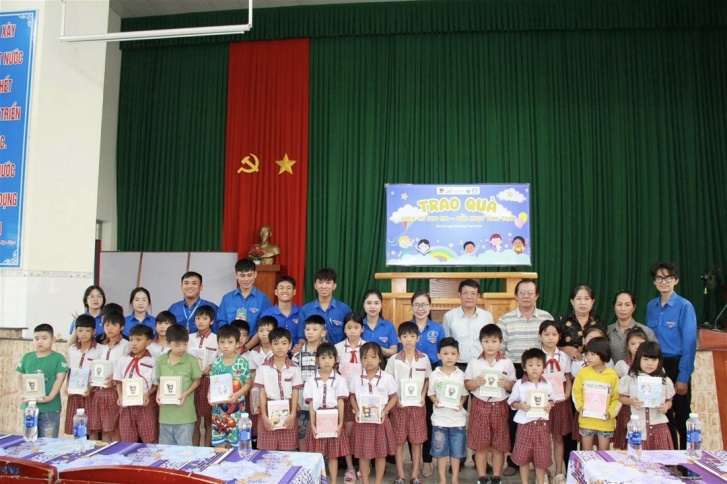
Lac Hong University advances SDG 1 through multilevel poverty-reduction initiatives. It connects disadvantaged students with local support, delivers regional community programs, implements national financial-aid policies, and builds international scholarship partnerships. These efforts reduce financial barriers, prevent education disruption, expand opportunity, strengthen social inclusion, and support long-term mobility for vulnerable communities.
