
News
LHU Logistics and Supply Chain Management Students Explore the Economics of Climate Change through the Master Class Program
Climate change is not merely an environmental concern; it also presents significant challenges to economic development, production activities, and global supply chains. To broaden students’ knowledge, foster a global mindset, and enhance awareness of sustainable development, the Faculty of Finance and Accounting at Lac Hong University (LHU) organized the first Master Class session entitled “The Economics of Climate Change.”
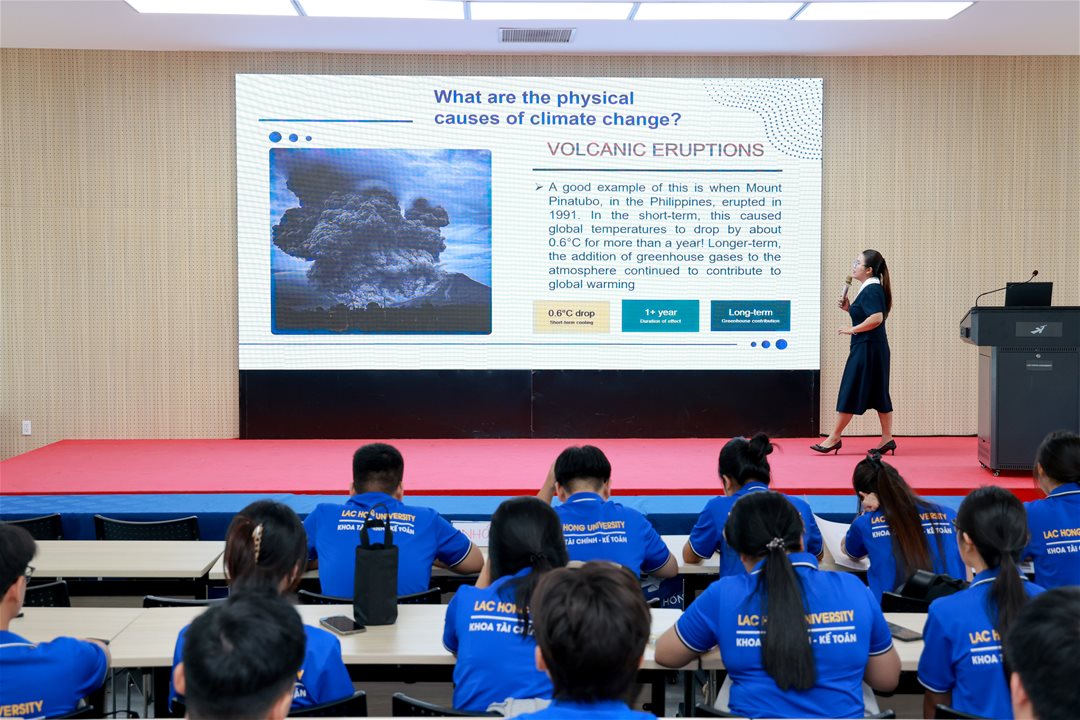
On the morning of October 12, 2026, the Faculty of Finance and Accounting at Lac Hong University held the Master Class session at Hall A301 for students majoring in Logistics and Supply Chain Management. Entitled “The Economics of Climate Change,” the session marked the beginning of a series of four Master Classes for the 2026–2027 academic year, delivered by Cintana Education. The program aims to enhance students’ specialized knowledge, professional competencies, and capacity for international integration.
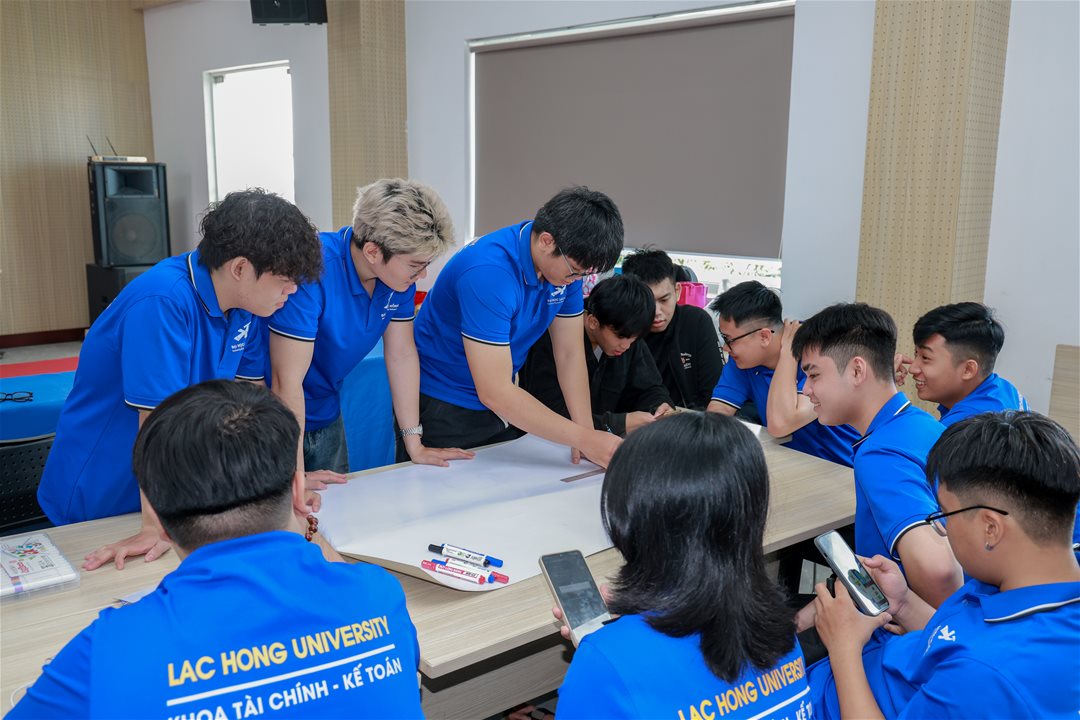
Addressing a timely and practically relevant topic, the first Master Class provided students with an opportunity to explore the relationship between climate change and economic issues from a broader perspective. In the context of Logistics and Supply Chain Management, understanding the economic implications of climate change enables students to recognize the importance of efficient resource utilization, adaptability to evolving business environments, and the transition toward sustainable supply chain practices.
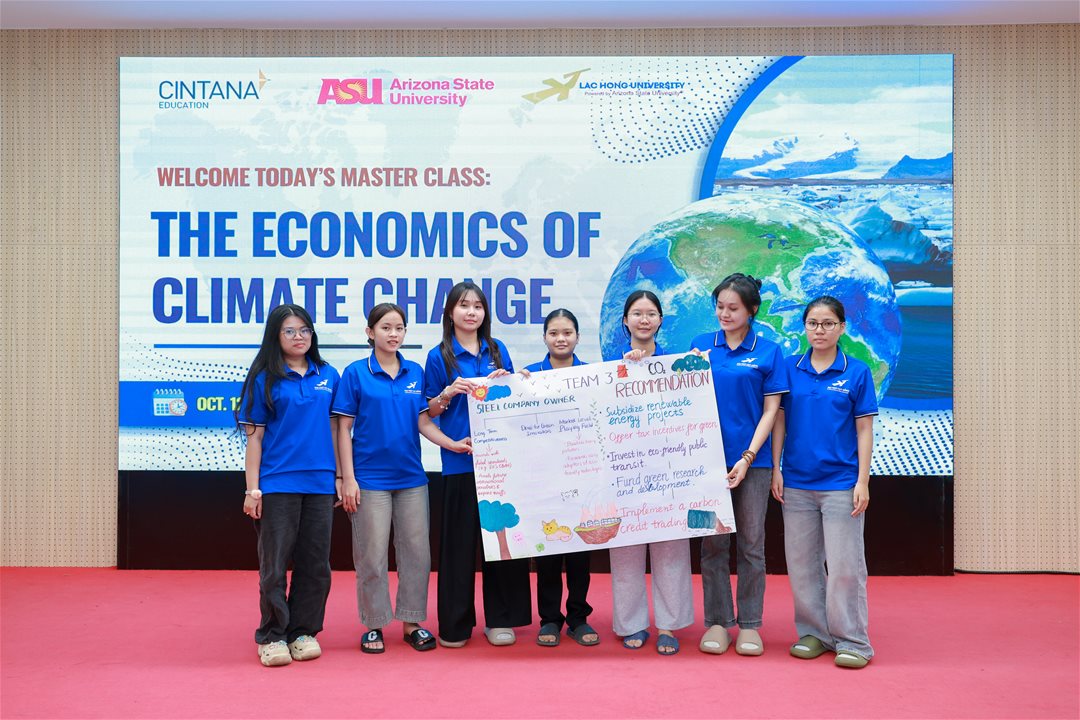
Through the program, students had opportunities to extend their learning beyond the formal curriculum, engage with issues of global significance, and progressively develop interdisciplinary thinking. In particular, integrating economic, environmental, and sustainability perspectives encouraged students to examine logistics operations not only in terms of operational efficiency but also in relation to environmental and social responsibility.
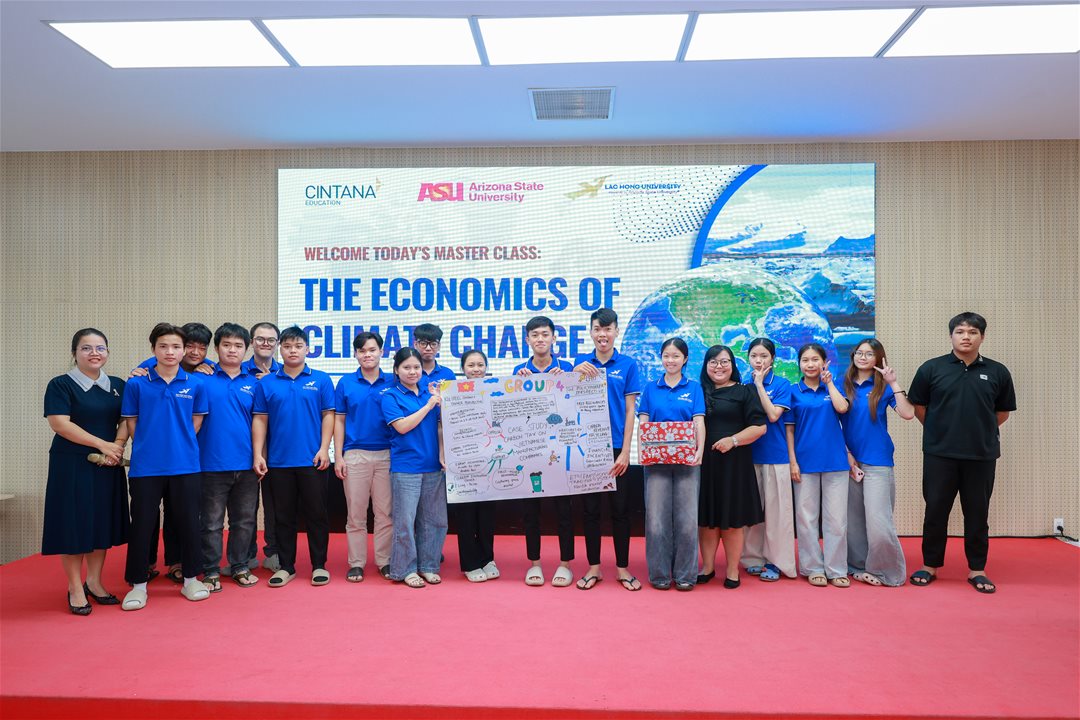
Beyond enriching academic knowledge, the Master Class program also seeks to cultivate a global mindset, effective communication skills in international environments, and adaptability to contemporary professional contexts. These competencies are increasingly important for Logistics and Supply Chain Management students as international trade and global supply chain operations become more closely aligned with sustainable development requirements.
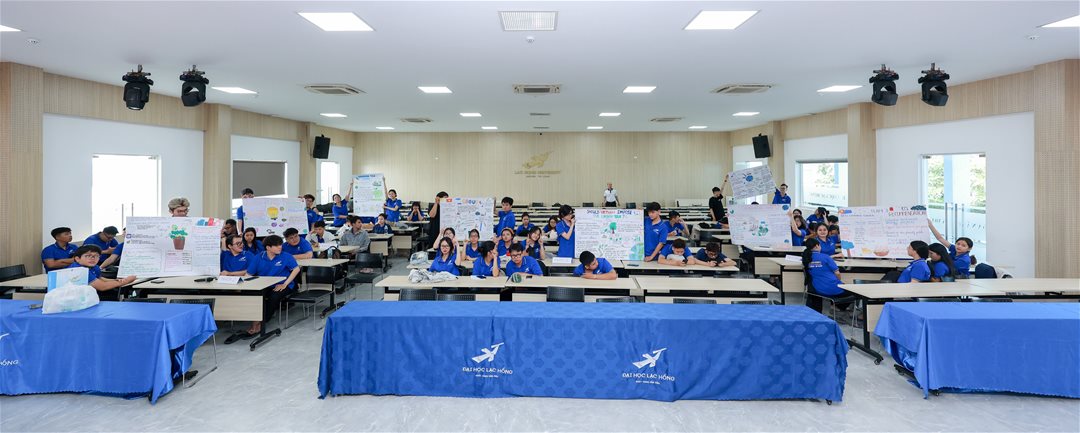
The implementation of the Master Class series also reflects the Faculty of Finance and Accounting’s commitment to integrating sustainable development into the curriculum while diversifying learning opportunities through internationally oriented academic activities. Accordingly, students are encouraged to actively acquire new knowledge, broaden their perspectives, and strengthen their ability to apply theoretical concepts to real-world challenges.
“The Economics of Climate Change” not only marked the commencement of the academic Master Class series for Logistics and Supply Chain Management students in the 2026–2027 academic year but also contributed to raising awareness of the importance of sustainable development in higher education and human resource development. The knowledge and perspectives gained through the session provide students with a foundation for developing a contemporary professional mindset that integrates economic efficiency with environmental responsibility, thereby preparing them to contribute to a more sustainable future.
LHU # LG # TCKT # Maseter Calss
